From Purpose to Habit: When Grinding Loses Its Goal and Becomes the Game
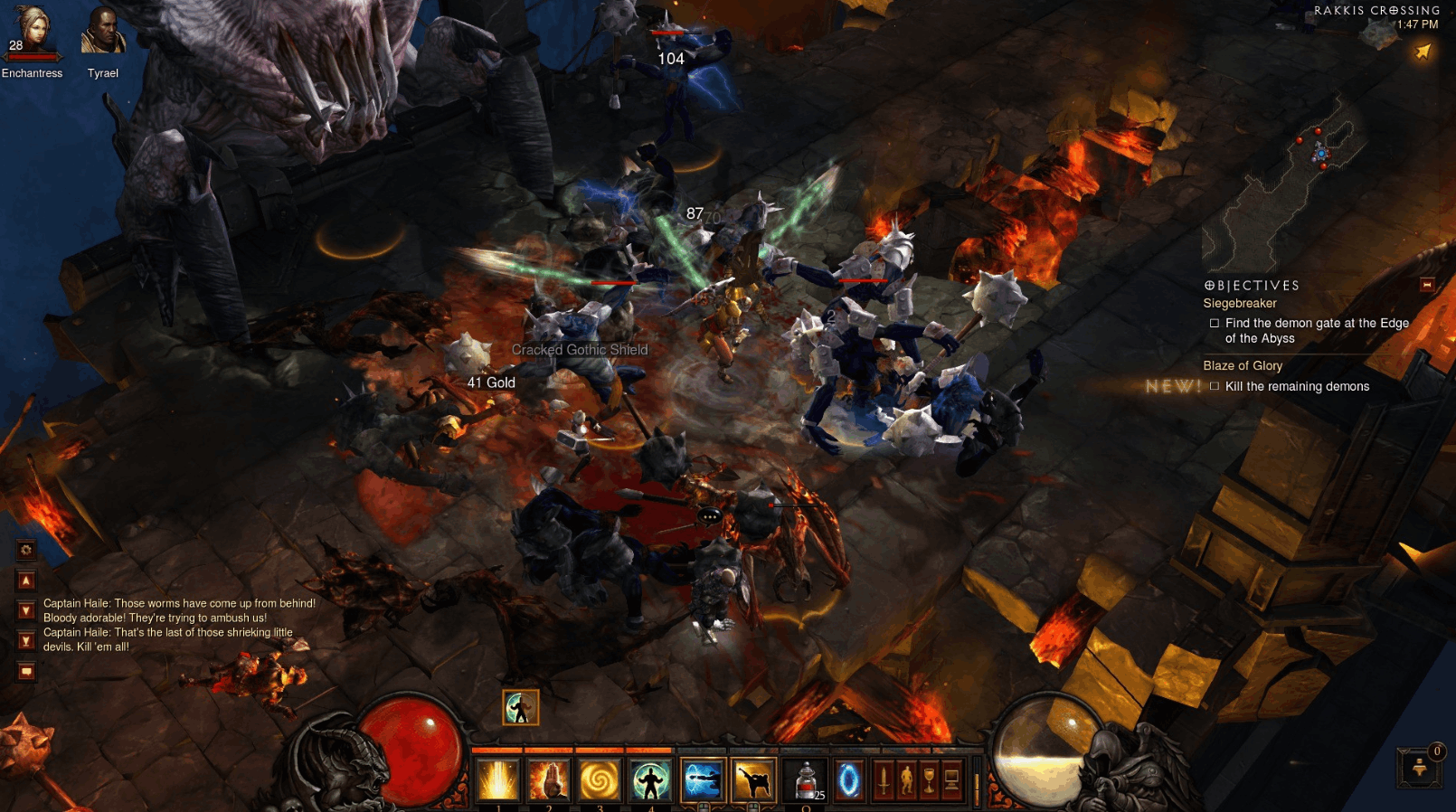
The journey of a player within a game often begins with clear objectives: defeat the final boss, complete the story, or acquire the best equipment. However, a fascinating metamorphosis occurs for a significant segment of the player base, where the instrumental activity of grinding as a routine gradually sheds its instrumental purpose and transforms into the primary locus of enjoyment. This transition marks the evolution from goal-oriented play to a state of goalless gameplay, where the repetitive actions themselves become intrinsically rewarding. The pursuit of loot and leveling is no longer a chore on the path to an ending but the main event, a meditative practice sustained by its own internal logic and rhythm, separate from any external achievement.
This shift is facilitated by the psychological concept of "habit formation," where consistent players and repetitive actions in a stable context create strong neural pathways that make the behavior automatic and low-effort. Game systems expertly nurture this by providing consistent, predictable feedback loops for these actions, whether it's the satisfying "ding" of a level-up or the visual cascade of collected resources. Over time, the cognitive load required to engage in farming and motivation decreases, allowing the player to enter a flow-like state of mind-wandering or parallel engagement, such as listening to podcasts or socializing. The activity becomes a comforting ritual, a digital "comfort zone" where the player can disengage from higher-order decision-making and simply exist in a state of productive, predictable cyclical progression.
The design of modern games, especially with the implementation of autogrind mechanics, actively encourages and legitimizes this transition. Features like idle progression, offline rewards, and automated combat sequences reframe active play into resource management, shifting the player's role from an active executor to a strategic overseer of systems. This design philosophy implicitly validates goalless gameplay by rewarding the player for time spent in the ecosystem, regardless of active attention. It creates a powerful psychological addiction to checking in, optimizing setups, and witnessing incremental gains, where the satisfaction is derived from efficient system management rather than moment-to-moment skill expression. The game world becomes a garden to tend, with its own quiet, perpetual growth.
This state is deeply intertwined with what some researchers call "instrumental play," where the play activity is used to regulate mood or emotional state. Engaging in a familiar, low-stakes grinding as a routine can serve as a form of digital knitting—a way to soothe anxiety, decompress after work, or create a sense of order and control that may be lacking in the external world. The predictable reward addiction cycle, even if the rewards are minor, provides a stable source of positive feedback and a tangible sense of accomplishment. In this context, the criticism that such gameplay is "pointless" misses the point entirely; its value is precisely in its pointlessness, offering a pure, uncomplicated engagement that is therapeutic in its repetition and lack of demanding narrative or challenge.
Understanding this phenomenon is key to appreciating the full spectrum of player engagement. It challenges the traditional model of games as a series of escalating challenges leading to a climax. Instead, it reveals a model where games can function as spaces for behavior in MMORPGs and other genres that is more akin to tending a zen garden or practicing a craft. The grind, in its ultimate form, ceases to be a means to power and becomes an end in itself—a chosen practice of repetition that offers its own unique form of cognitive rest, mastery through routine, and a quiet, self-sustaining psychological addiction to the gentle, relentless pulse of cyclical progression. It is not an absence of purpose, but the discovery of purpose within the process.